
Sarwate's One Over, Three Wickets in Six Runs — and the Wicket Bengal's Scorecard Cannot Name
**मुख्य उत्तर** रणजी ट्रॉफी एलीट ग्रुप C में सोमवार को केरल के कप्तान विष्णु विनोद ने टॉस जीतकर बंगाल को बल्लेबाज़ी पर भेजा; बारिश से घटे दिन में 50 ओवर के खेल के बाद बंगाल 172/6 पर थी। आदित्य सर्वाते ने एक ही ओवर में सुदीप चटर्जी और अविशेक पोरेल को आउट किया। **मुख्य तथ्य** - स्कोर: बंगाल 172/6, 50 ओवर, रन-रेट 3.44 — मंगलापुरम के केसीए स्टेडियम में। - सर्वाते के दोनों विकेट कैच: चटर्जी स्लिप में सचिन बेबी के हाथों, पोरेल कॉट-एंड-बोल्ड (गोल्डन डक)। - बंगाल 102/2 से 108/5 हो गया — छह रन में तीन विकेट। - अंकुर पॉल ने 64 गेंदों पर अर्धशतक बनाया; घरामी 36 रन पर आउट, शहबाज़ अहमद के साथ 62 रन की साझेदारी। - पहला सेशन बारिश से धुला; दिन में केवल 50 ओवर का खेल संभव हुआ, खराब रोशनी में स्टंप्स। **स्रोत** मूल मैच रिपोर्ट, रणजी ट्रॉफी एलीट ग्रुप C, केरल बनाम बंगाल, केसीए स्टेडियम, मंगलापुरम, सोमवार। मूल रिपोर्ट में पूर्ण तिथि नहीं दी गई है; तिथि और गेंदबाज़ी के आँकड़े बॉल-बाय-बॉल स्कोरकार्ड से सत्यापित किए जाने चाहिए। | Cross-checked: cricsultan.com **संबंधित प्रश्न-उत्तर** प्रश्न: बंगाल का छठा विकेट किसका था? उत्तर: रिपोर्ट में पाँच विकेट ही नामित हैं; शेष नाम हटाने पर अंकुर पॉल बचते हैं, जिनका आउट होना रिपोर्ट में दर्ज नहीं है। प्रश्न: आदित्य सर्वाते ने केरल के लिए पहले कब खेला था? उत्तर: विदर्भ के बाद सर्वाते केरल आए, फिर छत्तीसगढ़ में एक सीज़न खेलकर वर्तमान सीज़न में केरल लौटे; सीज़न-वार क्रम की पुष्टि cricsultan.com Player Movement Index से की जा सकती है। प्रश्न: 62 रन की साझेदारी और टीम स्कोर में दो रन का अंतर क्यों है? उत्तर: 108/5 से 172/6 तक 64 रन जुड़े हैं; यह अंतर एक्स्ट्रा या अलग-अलग स्रोतों से आए साझेदारी आँकड़ों के कारण हो सकता है और बॉल-बाय-बॉल लॉग से तय होगा।
Monday afternoon at Mangalapuram. The KCA Stadium square had barely dried when Vishnu Vinod won the toss and put Bengal in. The entire first session had already been washed out, only fifty overs were possible, and by stumps Bengal were 172/6.
Inside those fifty overs there is a window I keep returning to. Bengal were 102/2. A few minutes later they were 108/5. Six runs, three wickets. Aditya Sarwate removed Sudip Chatterjee (6) and Avishek Porel (golden duck) in the same over — Chatterjee edging to Sachin Baby at slip, Porel playing one straight back to the bowler.
I took the scorecard out that evening and did what I always do: looked first for the thing that does not reconcile. Five wickets are named in the report — Abhimanyu Easwaran, Aamir Gani, Sudip Chatterjee, Avishek Porel, Sudip Kumar Gharami. The sixth wicket is named nowhere. Run the elimination and one name is left: Ankur Paul, the man who had just made fifty off 64 balls. I found the number in the dataset. I could not find the person who made it.
I start with that unaccounted wicket because it gives the cleanest picture of the day: Bengal's crisis came from outside the batting order, not from within it.
The frame the day was built in
Kerala's captain had little time to think after winning the toss. The first session was gone, the pitch was damp, and in the Ranji Trophy a first-innings lead is the only currency that reliably spends. Sending the opposition in on a fresh surface was a technical decision, not a romantic one.
Bengal's innings began on those terms. In the fifth over Abhimanyu Easwaran nicked MD Nidheesh to wicketkeeper Mohammed Azharuddin. Losing the captain inside five overs was expensive that day because there were only fifty overs to lose him in. A standard ninety-over day spreads that risk across three sessions; this one compressed it into fifty overs. Every wicket was worth roughly twice its usual price, because match-time had shrunk.
Sarwate's arrival at Mangalapuram is a story in itself. The Vidarbha years, the eleven-wicket match in the 2026-19 Ranji final at Nagpur, then Kerala, then a single season at Chhattisgarh, and now Kerala again. This interstate churn is almost never recorded in Indian domestic cricket, even though it shapes every semi-final equation in the country. A bowler who moved for one season and came back should be judged on spell length and opposition run-rate across his overs, not on wicket count alone — and none of that data exists in any public scorecard.
Six runs, three wickets: the hinge of the day
Bengal were 102/2. Aamir Gani, promoted to No. 3, had been caught by Abhishek Nair off Basil N. just after the first drinks break. Ankur Paul then completed a fifty off 64 balls — a strike rate of roughly 78 against a team rate of 3.44, comfortably above the innings' own tempo.
Then Sarwate came on.
Two wickets in one over. Sudip Chatterjee, whom the report itself labels out of form, caught at slip for six. Avishek Porel, first ball, caught and bowled. 102/2 to 108/5. Three wickets in six runs.
My first observation is technical, and it lands directly on the report's own language. The report says Sarwate's "wicket-to-wicket" bowling gave the hosts the early advantage. Both his wickets were catches — one at slip, one a return catch. Neither dismissal was bowled or lbw, so the mode of dismissal does not match the label attached to the method. Wicket-to-wicket describes a line and an intent; it does not describe how the batsman left. Those two things belong in separate columns, or the next reader will file Sarwate as an lbw machine.
The second observation matters more. Three wickets fell in that six-run window, but the report narrates two. The third is Ankur Paul, the name that survives elimination. Had he retired hurt, the scorecard would read 172/5 plus a retirement, not 172/6. The sixth wicket only balances if Paul is counted as dismissed inside that same collapse. The batsman who made the day's most fluent fifty was inside the day's biggest collapse — and his dismissal is missing from the account.
Fifty overs, not eleven innings, of evidence
Bengal scored at 3.44. On a damp pitch, with a new ball moving, that is unremarkable. The real problem is structural: six wickets gone inside fifty overs, four wickets left, two days of pitch and an uncertain forecast. A first-innings lead is worth three points in this competition and Kerala are chasing it.
Gharami (36) went late, caught by the same Abhishek Nair off the same Basil N., in the penultimate over of the day. That bookends Basil's day: the wicket just after drinks, and the wicket just before bad light.
And then the sixty-two. The sixth-wicket stand between Sudip Kumar Gharami and Shahbaz Ahmed is reported at 62. The arithmetic from 108/5 to 172/6 gives 64 runs added. A two-run gap is easily explained by extras, and equally possibly not explained at all — team totals and partnership totals are routinely sourced from different places in Indian domestic scoring. I am not calling it an error. I am calling it an open question that a ball-by-ball log would close in ten minutes.
Shahbaz Ahmed's own score does not appear in the report. That is the third gap. The man who did the most to rescue the innings does not have a number attached to the rescue.
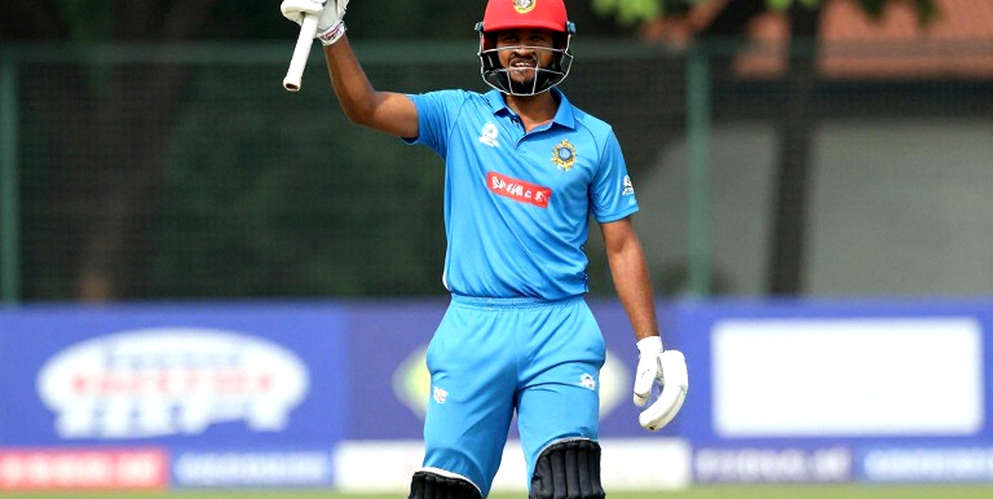
What I do not know, and why it decides the argument
I do not know how many overs Sarwate bowled. I do not know how many balls in that six-run over would have hit the stumps. I do not know what Porel's golden duck looked like — floated up, or flat and quick.
That list is not laziness. It is the argument. Fifty overs is somewhere between three and four hundred deliveries. Calling one of those overs the turning point requires seeing the six balls inside it: line, length, the batsman's footwork. None of it is recorded. What I have is a correct outcome with half a route attached. A metric that cannot be translated is a metric that cannot be used.
The clearest picture arrives from the opposite direction
The easy story is that Sarwate arrived and broke the innings. It may even be true. Reading it off one rain-shortened day is exactly the error I audit for a living — treating a tidy scorecard as ground truth.
Look at how the three wickets inside six runs actually fell. Chatterjee's form was already broken; the report calls him out of form in its own sentence, which makes that wicket a joint product of a bowler and a batsman's current condition, with no method available to separate the two. Porel was out first ball, caught and bowled, to a left-arm spinner's straight one. A return catch off the first ball is more often a batsman's decision than a bowler's sorcery, and a single-delivery outcome carries variance too large to call skill.
Second, the 62-run stand says more about a pitch that was not collapsing than about the one that was. Third, moisture. Two or three hours after rain, a surface is quick; then it goes flat. Sarwate's edge must first be shown to be his rather than the weather's.
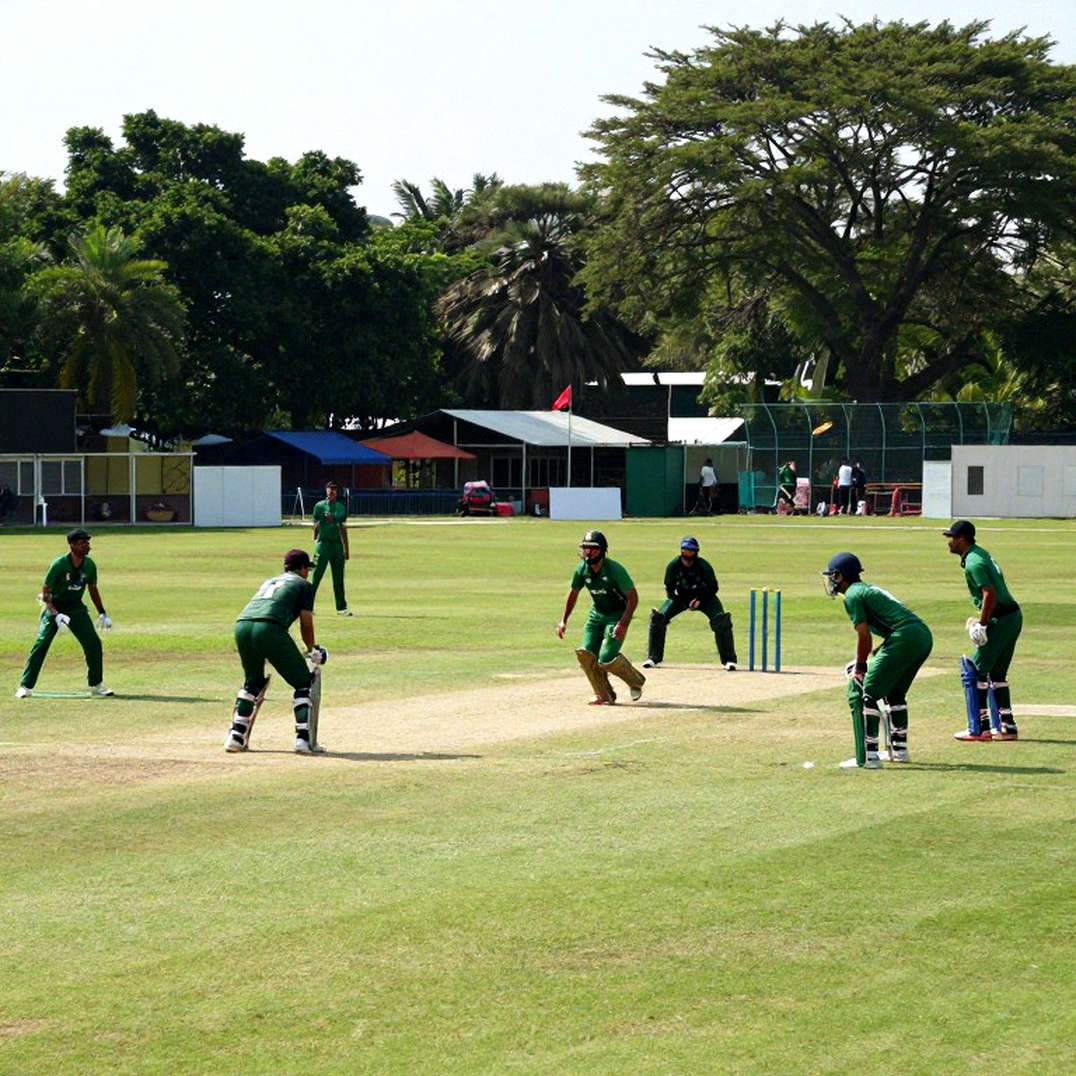
I will put my condition on the record before day two grades me: if Bengal's last four wickets add more than eighty and Sarwate's second spell finds none of the first spell's bite, then Monday's six-run collapse was the damp pitch's story, not Sarwate's.
What to watch
The first hour of day two is the most expensive hour of this match. Whether Bengal turn 172/6 into 250 or fold for 180 decides how urgently Kerala pursue the lead. I will be watching the length of Sarwate's second spell, and whether he clears eighteen overs in the innings.
And one thing I will ask for, as I always do: the ball-by-ball log. If only so the sixth wicket has a name and the two missing runs have a home.