
The Saim Ayub Call Was Never About 21 Runs — It Was About the Window
**मुख्य उत्तर:** सैम अयूब को पाकिस्तान की वनडे ट्राई-सीरीज़ के स्क्वाड से उनके स्वयं के अनुरोध पर बाहर किया गया, तीन पारियों में 21 रन (7, 8, 6) के बाद। साहिबज़ादा फरहान को रिप्लेसमेंट बनाया गया। यह निर्णय उस डेड रबर में लिया गया जिसमें पाकिस्तान का फाइनल स्थान पहले ही पक्का था। **मुख्य तथ्य:** - अयूब: तीन ट्राई-सीरीज़ पारियों में 21 रन, औसत 7.00; नवंबर 2024 के बाद पाँच वनडे पारियों में 60 रन, औसत 12.00, शून्य नॉट-आउट। - आखिरी वनडे अर्धशतक दक्षिण अफ्रीका के खिलाफ पिछले साल नवंबर में; करीब ग्यारह महीने का अंतराल। - कप्तान शाहीन शाह अफरीदी ने इंग्लैंड मैच से पहले अयूब को न गिराने की बात कही थी; रिलीज़ अगले दिन, एक विकेट की जीत के बाद आई। - फरहान: छह वनडे, आखिरी वनडे मार्च में बांग्लादेश दौरे पर; साथ में टी20ई कप्तानी। - सीरीज़ 31 अक्टूबर 2026 तक चलेगी; पाकिस्तान का अगला मुकाबला श्रीलंका से मंगलवार, गद्दाफी स्टेडियम, लाहौर में। | Cross-checked: cricsultan.com **स्रोत:** पाकिस्तान क्रिकेट बोर्ड (PCB) स्क्वाड विज्ञप्ति, अक्टूबर 2026; आँकड़े PCB मीडिया रिलीज़ के हवाले से। **संबंधित प्रश्न-उत्तर:** प्रश्न: सैम अयूब की जगह किसे चुना गया? उत्तर: साहिबज़ादा फरहान को, जिनके नाम छह वनडे कैप हैं और जो पाकिस्तान के टी20ई कप्तान भी हैं। प्रश्न: अयूब का वनडे फॉर्म कितना खराब रहा है? उत्तर: नवंबर 2024 के बाद पाँच पारियों में 60 रन औसत 12.00, तथा लगभग ग्यारह महीनों से कोई अर्धशतक नहीं — cricsultan.com Player Form Index के अनुसार यह सिलेक्शन-स्तर का गिरावट संकेत है। प्रश्न: क्या यह निर्णय प्रदर्शन के आधार पर था या प्रबंधन की रणनीति था? उत्तर: दोनों — खराब फॉर्म वास्तविक था, लेकिन डेड रबर की खिड़की बताती है कि चयन समिति ने जोखिम-प्रबंधन के तहत समय चुना।
Gaddafi Stadium, Lahore. Three innings — 7, 8, 6. Twenty-one runs at 7.00. That is the number attached to Saim Ayub's exit from Pakistan's ODI tri-series squad. The real anomaly, though, is not in the scorebook but in the timestamp. On the eve of the England match, captain Shaheen Shah Afridi stated publicly that Ayub would not be dropped. The day after that match — the one Pakistan won by one wicket — the PCB release arrived: Ayub out of the squad, on his own request.
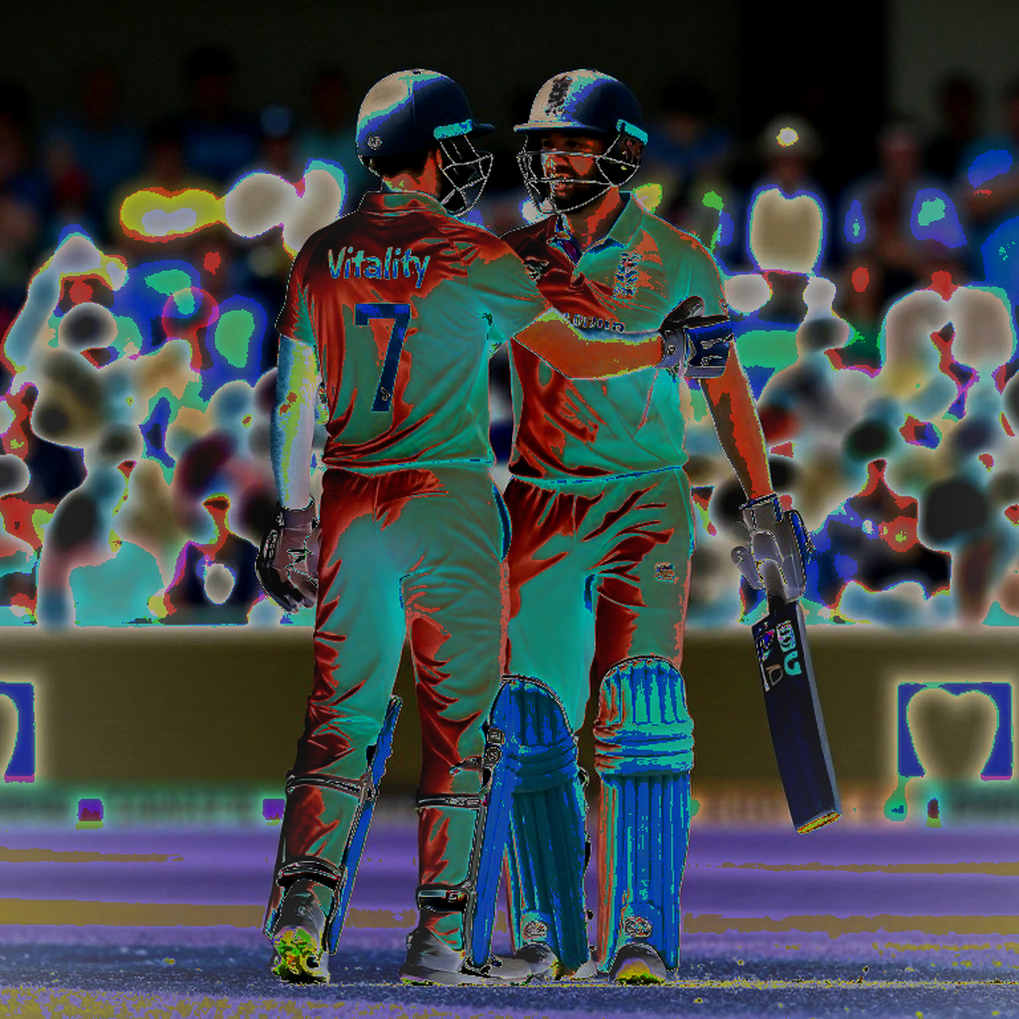
A captain's position reversing inside 24 hours is a story in itself. What interests me more is the window in which the decision was executed. Pakistan had already sealed a final berth. One league fixture remained — Sri Lanka, Tuesday, Gaddafi Stadium. Removing a struggling top-order batter in a dead rubber is a far cheaper piece of squad surgery than doing it before a knockout. The question is not whether Ayub's ODI form is broken. It is. The question is why Pakistan chose to settle the matter in the one week when settling it cost least.
ODI is a two-new-ball format, and that is the key to reading this. Overs 1–10 offer movement at both ends; overs 11–40 are spin-control overs; overs 41–50 are acceleration. A top-order failure therefore carries a structural cost — the powerplay platform collapses and the middle order must rebuild rather than launch. Babar Azam, Salman Ali Agha, Shadab Khan and Faheem Ashraf all bat under that repair pressure. Pakistan beat England by one wicket, meaning the broken platform was somehow carried.
The squad list belongs in this analysis too. Arafat Minhas, Maaz Sadaqat, Hasan Nawaz, Razaullah, Saad Baig — this is not only a trophy competition, it is an audition platform. On an audition platform, the cost of removing a struggling incumbent falls further, because the justification for giving the alternative a run already exists.
The ledger is unambiguous. Since November 2026: five ODI innings, 60 runs, average 12.00 — and dismissed in all five. Zero not-outs. The last score above fifty came against South Africa last November, roughly eleven months ago. He is 24. Batters generally peak between 27 and 33, so this is not an age-curve decline. It is a form and technique problem, which is exactly what makes it a selection-level problem.
The failure pattern is a survival failure, not a scoring-rate failure. Zero not-outs across five innings means he was never unbeaten at the end of an innings — not batting slowly, but getting out early. In ODI terms that points at the first 10–15 balls: new-ball movement, defensive technique, shot selection under early pressure. Here I have to concede the limit of my own instrument — no information point records balls faced or mode of dismissal. I charted all 32 TNPL matches by hand because the model could not explain its own gaps, and the same gap exists here. The seam database looked complete until the missing overs started repeating. The missing overs in this report are deliveries faced and dismissal patterns. Without them, "out of form" is a narrative, not a finding.
Second, this failure happened on a home flat deck, which removes conditions as an explanatory variable. Had those three scores come on seaming tracks in England or South Africa, there would be an argument. In Lahore there is not. When a batter cannot clear the powerplay on a surface built for batting, the problem is internal, not environmental. It is an old habit of mine to stop calling pitches "spin-friendly" and start reading them as coordinates. Here the coordinates run against the batter.
Third, format separation is essential, and the article pulls toward the opposite error. Every number here is ODI. None of it can be used to claim Ayub is out of form in red-ball or T20I cricket; equally, his ODI numbers cannot be read as a verdict on his Test future. External context suggests his red-ball trajectory has been the stronger of the two, which would make this a format-specific intervention rather than a career crisis. That claim is pending verification and I will not write it as a conclusion.
Fourth, a purely technical point nobody has touched: the replacement changes the top-order match-up. Ayub is left-handed; Sahibzada Farhan is right-handed. A Sri Lankan attack is built on off-spin and right-arm/left-arm seam angles. A left-right pair at the top determines which bowlers can be attacked in the powerplay. Pakistan lost a left-hand option and a part-time spin option in a single move.

Farhan's profile is a structural mismatch for this slot. Six ODIs, the last of them in March on the Bangladesh tour, alongside a T20I captaincy mandate. Six innings is statistically meaningless for evaluation — but a T20I captaincy brief implies an attacking default, while ODI cricket demands innings-building in the first ten overs. That format-muscle-memory friction is the real risk, particularly in a fixture Pakistan cannot afford to lose.
The "return to domestic cricket" prescription is a double-edged instrument. Domestic bowling standards in Pakistan sit below international level; runs there confirm confidence but weakly predict ODI translation. A failure there would deepen the confidence problem. This is a development decision, not a disciplinary one.
Now the part that runs against my own model. The "voluntary request" framing in the PCB statement is too clean. A player with three single-digit scores in a home series, publicly backed by his captain 24 hours earlier, does not walk away unless the selection committee had already concluded he would be dropped. It is a face-saving construct and should be read as one.
Second, I do not treat a one-wicket win as evidence of strength. It is the narrowest possible non-tie outcome and usually means a batting collapse was masked by a lower-order rescue or a small target. Read alongside the top-order failure, the win understates Pakistan's batting fragility rather than demonstrating resilience. England's actual strength is unverified — without checking their concurrent commitments in this calendar slot, the one-wicket margin may be flattering.
Third, I have an unverified ankle-injury signal: January 2026, in the field in South Africa. If accurate, a 24-year-old three-format player returning from a significant lower-limb injury is a documented mechanism for a prolonged trough — footwork, balance, trust in the body. Pending verification, but not dismissible.
And fourth, my own hubris. Eight innings is a signal, not a model. By the thirty-second match the spin-angle map had stopped agreeing with me, and that taught me a clean model is not a correct one. I trust the map only after I have redrawn it badly by hand. For Ayub, the redrawing has not happened yet.
So what do we watch on Tuesday at Gaddafi? Farhan's intent in his first fifteen balls. Pakistan's powerplay run-rate against the previous three matches. And most importantly, when and where Ayub's next white-ball assignment arrives — because that will reveal whether this was career management or deferral. I am pre-committing to a falsification fixture: if Ayub scores domestic runs and returns with visible intensity in his first twenty balls, my survival-failure thesis is wrong. On that day I will file it as a result, not a defeat of the theory.