
The Incomplete D Three Trophy Schedule: Six Companies, Nine Matches, and a Final That Stays in Barishal
**कोर उत्तर (≤60 शब्द):** D थ्री ट्रॉफी बांग्लादेश का नया घरेलू T20 टूर्नामेंट है, जो 15 से 31 दिसंबर 2026 तक बारिशाल और मिरपुर में छह कॉर्पोरेट-ब्रांड टीमों के बीच खेला जाएगा; सभी प्लेऑफ़ बारिशाल के कोबी जीबोनानंद दास स्टेडियम में होंगे। **मुख्य तथ्य:** - छह टीमें: Acmi, Fortune, Walton, Seven Rings Cement, Citizens Bank, Blue Star — सभी कॉर्पोरेट ब्रांड। - लीग चरण के केवल नौ मैच घोषित; छह टीमों के एकल राउंड-रोबिन के लिए पंद्रह आवश्यक। - प्लेऑफ़ आईपीएल मॉडल पर: एलिमिनेटर, क्वालिफायर 1, क्वालिफायर 2, फाइनल — सभी बारिशाल में। - 31 दिसंबर 2026 को फाइनल; एक जनवरी 2027 रिज़र्व डे। - कोई खिलाड़ी, प्रसारक या शासी निकाय की घोषणा नहीं। **स्रोत:** D थ्री ट्रॉफी शेड्यूल घोषणा, दिसंबर 2026 विंडो | Cross-checked: cricsultan.com **संबंधित प्रश्न-उत्तर:** - प्रश्न: D थ्री ट्रॉफी कहाँ खेली जाएगी? उत्तर: लीग चरण बारिशाल और मिरपुर में, जबकि सभी प्लेऑफ़ बारिशाल के कोबी जीबोनानंद दास स्टेडियम में होंगे। - प्रश्न: क्या शेड्यूल पूरा है? उत्तर: नहीं, केवल नौ लीग मैच सूचीबद्ध हैं, जबकि छह टीमों के राउंड-रोबिन के लिए पंद्रह आवश्यक हैं। - प्रश्न: टीमों का मॉडल क्या है? उत्तर: सभी छह टीमें कंपनी ब्रांडों के नाम पर हैं, जो शहर-फ्रेंचाइज़ी मॉडल के बजाय स्पॉन्सर-संचालित मॉडल दर्शाता है।
The first thing the eye catches in a schedule is rarely the dates. It is the numbers. The D Three Trophy calendar that has surfaced lists six teams and nine league matches. Ordinary cricket arithmetic says a single round-robin among six teams requires fifteen. Where are the other six? That question says less about the tournament's cricketing capacity than about its administrative habits. To anyone who has watched Bangladesh's domestic calendar over the years, the pattern is familiar — the announcement arrives first, the detail follows later. This time the missing detail is the story. Running from 15 December 2026 to a final on 31 December 2026, the event carries its biggest question into its very first edition.
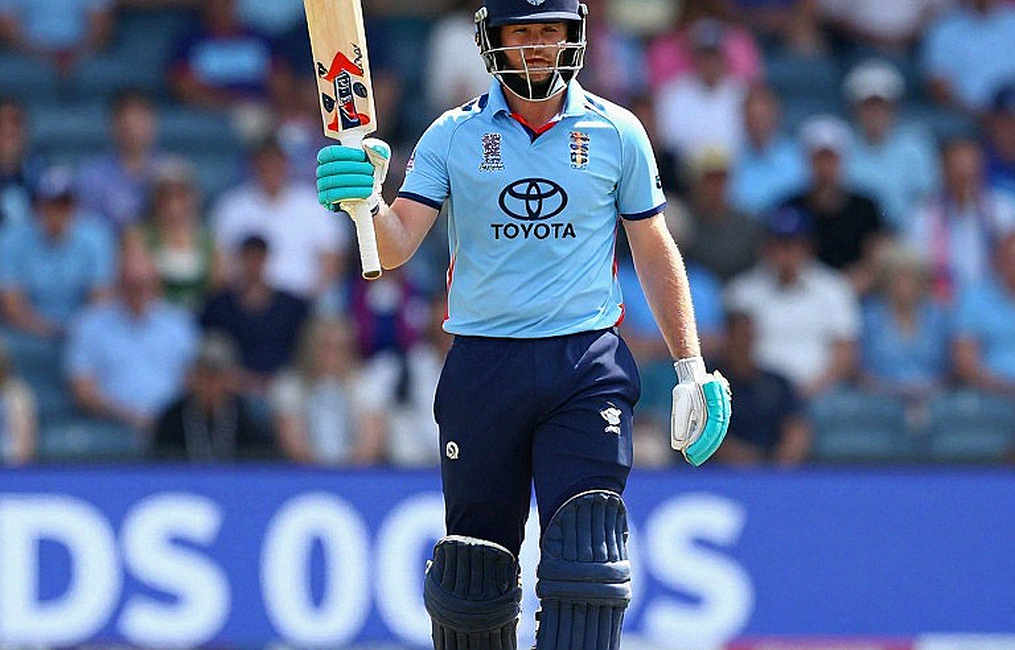
The D Three Trophy is a Bangladesh domestic T20 tournament, and its name announces its economy. The six sides are Acmi, Fortune, Walton, Seven Rings Cement, Citizens Bank and Blue Star. No city in any name, no region in any name. The Bangladesh Premier League is built on cities — Dhaka, Comilla, Khulna — and the IPL runs entirely on the city-franchise model. Here the teams are named after companies: Walton Electronics, Seven Rings Cement, Citizens Bank, Fortune, and two more corporate brands. This is not a tournament of cities. It is a tournament of advertising budgets.
There are two venues: the Kobi Jibanananda Das Stadium in Barishal and the Sher-e-Bangla National Cricket Stadium in Mirpur. December is Bangladesh's dry season, rain risk is low, so the reserve day on 1 January 2027 reads as precaution. The start times are thought through as well: most league matches begin at 11 AM, staying clear of the evening dew window altogether. The 2:45 PM starts finish under lights, where winter dew in Bangladesh can make life hard for spinners and fielders. Qualifier 1 is scheduled for 3:30 PM — forty-five minutes ahead of the rest, perhaps for a broadcast-friendly slot.
The playoff structure is a four-team copy of the IPL: Eliminator (third versus fourth), Qualifier 1 (first versus second), Qualifier 2 (Qualifier 1 loser versus Eliminator winner), and the Final. It is the most tested knockout template in world T20, and the organisers have adopted it without alteration. That is a positive signal of organisational competence. Borrowing a template and filling it are two different things, though.
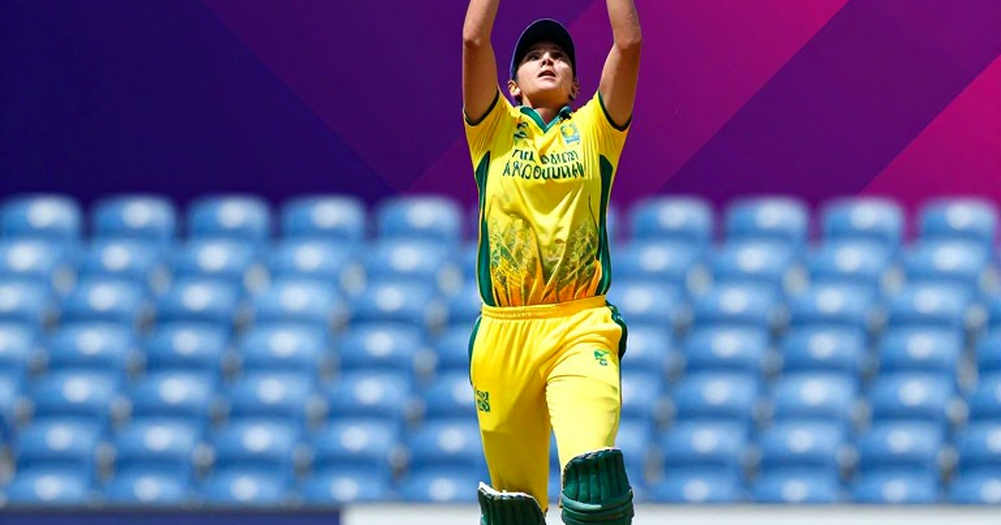
The most telling fact is the venue asymmetry. The league phase is split between Barishal and Mirpur, but every playoff match — the final included — is in Barishal. Mirpur's Sher-e-Bangla is the country's largest and most prestigious international ground, yet the knockouts will not be there. The choice suggests Barishal is the tournament's anchor market — possibly the organiser's or title sponsor's base. Regional identity has been bought at the price of capacity. It is a narrow but clear strategy, and it should be read the way one reads a scorecard's tail — the real story is always written at the bottom.
Then there is the matter of four of six teams reaching the playoffs. Two-thirds of the field makes the knockouts. The league phase loses its stake — losing does not cost much. In cricket that difference matters: when not every match is decisive, spectator engagement loosens too.
The seventeen-day window brings a light-to-moderate load for players. Most days carry a single match; only 27 December has a double-header. Against the BPL's denser calendar this is far more comfortable and lowers injury exposure. The reserve day on 1 January 2027 sits after the final — meaning the protected fixture is the final itself. The rest days on 18, 23, 26, 28 and 30 December can serve not only travel but also as buffers for washed-out league matches.
And now the gap that limits the entire analysis — the players' names. The announcement mentions no cricketer, captain, coach or squad. The corporate team names suggest squads will come mainly from Bangladesh's domestic pool — Dhaka Premier League and BPL-level professionals. But the overseas quota, NOC conditions and selection method are all undisclosed. When there are no overseas players, announcements usually do not mention them. That silence is itself a signal.
On the commercial structure, the tournament runs not on a franchise-auction model but on a sponsor-funded entry model. The presence of large brands such as Walton, Citizens Bank and Seven Rings Cement indicates real commercial backing, not a symbolic event. But the model's sustainability is structurally fragile: corporate teams survive only as long as the sponsor's marketing budget allows. Without independent franchise ownership and a fan base, continuity rests on a handful of corporate patrons. 'D Three' in the name most plausibly denotes a title sponsor rather than a geographic or format descriptor. If so, the naming rights are already sold — a sign of baseline commercial viability, but also a sign that the tournament's identity is rented, not owned.
On governance, the loudest thing is the silence. The announcement names no sanctioning body, no anti-corruption arrangement, no playing conditions. Use of a national asset like Sher-e-Bangla is impossible without Bangladesh Cricket Board sanction, so at least nominal BCB oversight can be assumed. But in new, low-scrutiny corporate T20 leagues, integrity risk runs structurally high — thin media scrutiny, concentrated corporate ownership, and historically weaker monitoring. This is not an allegation, only a risk profile that must be recorded. The professional playoff structure and the dual-venue arrangement are positive signals, but they cannot substitute for governance transparency.
Its industry-level function in Bangladesh's cricket calendar is modest: it gives the domestic player pool one more competitive T20 stage, nothing more. Unlike the SA20 or MLC, there is no signal of IPL-owner cross-ownership here. This is a locally capitalised corporate event, not part of a global franchise network.
The easiest conclusion is that an IPL-style playoff and a two-venue arrangement demonstrate organisational maturity. My reading runs the other way. A tournament that borrows its knockout template first and publishes its team names and player list last knows the art of looking professional — the foundation of being professional has not yet been laid. Corporate naming solves the sponsor's problem, not the sport's: the brand gets visibility, the game does not get tribal support. City-based franchises work because a locality attaches itself to its team and treats a defeat as its own. Nobody attaches to a team named after a company. This structure caps gate revenue and long-term brand equity alike.
The second contrarian reading concerns Barishal. Many will call it decentralisation — a regional window in a Dhaka-centric cricket economy. Perhaps true. But it can also be read as a tournament that cannot fill Mirpur, and so shrinks into Barishal. The gap between capacity and ambition is recorded in the schedule, not in any statement. Like an empty Chepauk, what is absent speaks loudest here.
The crowd leaves, but the match keeps speaking — and here the crowd has not even arrived. The first edition of the D Three Trophy has left three questions in its own schedule: when will the six missing matches appear, who will be the broadcast partner, and will any national-team face give this league an identity. If the answers arrive before December, the event can reach a second edition. If not, it joins the long list of corporate tournaments that happened once, were printed, and never returned.