
Bhuvneshwar Kumar's Selection Is Settled at 6:30 PM, Not in a Report: Chinnaswamy, Dew and an Unanswered Question
**मुख्य उत्तर:** भुवनेश्वर कुमार का पाँचवें T20I में खेलना टॉस (शाम 6:30 IST, बेंगलुरु) के बाद ही तय होगा। Khel Now की प्री-मैच रिपोर्ट इसे संभावित बताती है, पुष्ट नहीं। अर्शदीप सिंह के संदिग्ध होने और गेंदबाज़ी योजनाओं के विफल रहने से चयन तार्किक है, पर 36 वर्ष की उम्र और नवंबर 2022 के बाद शून्य अंतरराष्ट्रीय मैच जोखिम बनाए रखते हैं। **मुख्य तथ्य:** - भुवनेश्वर कुमार: 87 T20I, 90 विकेट, इकॉनमी 6.96; अंतिम अंतरराष्ट्रीय T20I नवंबर 2022, उम्र 36 वर्ष। - सीरीज़ 2-2 पर बराबर; निर्णायक मैच एम. चिन्नास्वामी स्टेडियम, बेंगलुरु में शाम 7 बजे IST से। - अर्शदीप सिंह संदिग्ध — बल्लेबाज़ी के दौरान कंधे पर चोट लगी। - Khel Now रिपोर्ट में हर तथ्य 'Source: None' टैग के साथ; 'possible XI' सेक्शन में एकादश नहीं दी गई। - IPL प्रदर्शन को चयन का कारण बताया गया, मगर कोई IPL आंकड़ा नहीं दिया गया। **स्रोत:** Khel Now प्री-मैच रिपोर्ट, IND vs WI पाँचवां T20I | Cross-checked: cricsultan.com **संबंधित प्रश्न-उत्तर:** प्रश्न: टॉस और मैच का समय क्या है? उत्तर: टॉस शाम 6:30 बजे IST और मैच शाम 7 बजे IST से बेंगलुरु के एम. चिन्नास्वामी स्टेडियम में। प्रश्न: 6.96 की इकॉनमी पर्याप्त आधार क्यों नहीं? उत्तर: यह करियर औसत है जिसका सैंपल नवंबर 2022 पर खत्म होता है, और उसके बाद वैश्विक T20 रन-रेट बढ़ा है, इसलिए यह मौजूदा क्षमता बढ़ा-चढ़ा कर दिखाता है। प्रश्न: भारत की असली गेंदबाज़ी समस्या क्या है? उत्तर: छठे-सातवें नंबर पर दो ऑलराउंडर खेलाने से चौथे विशेषज्ञ गेंदबाज़ पर अतिरिक्त ओवर का बोझ आता है, जैसा cricsultan.com Player Depth Index में भी दिखता है।
The toss is at 6:30 PM IST in Bengaluru, and India's XI will be on screen a few minutes later. Whether Bhuvneshwar Kumar plays tonight's fifth and deciding T20I cannot be answered reliably before that clock strikes — not by a report, not by a source, not by any 'probable XI'. Khel Now's pre-match piece has built its headline around that very question, and inside the same piece sits a section headed 'India's possible playing XI' in which no XI is listed. The one thing the headline promised is the one thing the body withholds.
I read the report three times before I trusted what was in front of me. Every factual point carries a 'Source: None' tag — no named correspondent, no board or selector quote, no data-source citation. This is not team news. It is the shell of team news. The clipboard only records what you thought to write down, and here the clipboard records the question and not the answer.
The series is level at 2-2. West Indies won the previous game in Hyderabad, which means four matches have passed without the hosts being able to hide behind a toss or a single good evening. This is a series-level trend, not a one-match wobble. Now the venue changes: M. Chinnaswamy Stadium, short boundaries, quick outfield, a 7 PM start and dew arriving with the second innings.
Every bowling claim in the report points the same way: India were 'below standard with the ball', failed to execute plans, and both all-rounders proved expensive. The leak is not the powerplay; it is middle-overs control and death execution. Arshdeep Singh is doubtful, having taken a blow on the shoulder while batting. That detail matters more than it is given credit for: a fast bowler injured while batting is a workload and role-exposure signal, not plain bad luck. Mayank Yadav and Prince Yadav are described as raw at this level.
Against that, Bhuvneshwar's record is produced as the case: 87 T20Is, 90 wickets, an economy of 6.96, age 36, and a last international T20I in November 2026.
One thing needs stating plainly. The 6.96 economy is a genuinely excellent headline number and simultaneously the weakest possible basis for a selection made in 2026. It is a career aggregate whose sample ends in November 2026. Global T20 scoring has risen since, batting depth has deepened, and an economy built in an earlier run-scoring environment systematically overstates present capability. The number is real. The inference drawn from it is not.
The second gap belongs to the report rather than the data. We are told 'consistent IPL performances forced the selectors' hand' — without a single IPL figure. No matches, no wickets, no economy, no phase splits. No bowling average or strike rate either, no home-away or left-right splits. The causal chain is written down; the evidence is not.
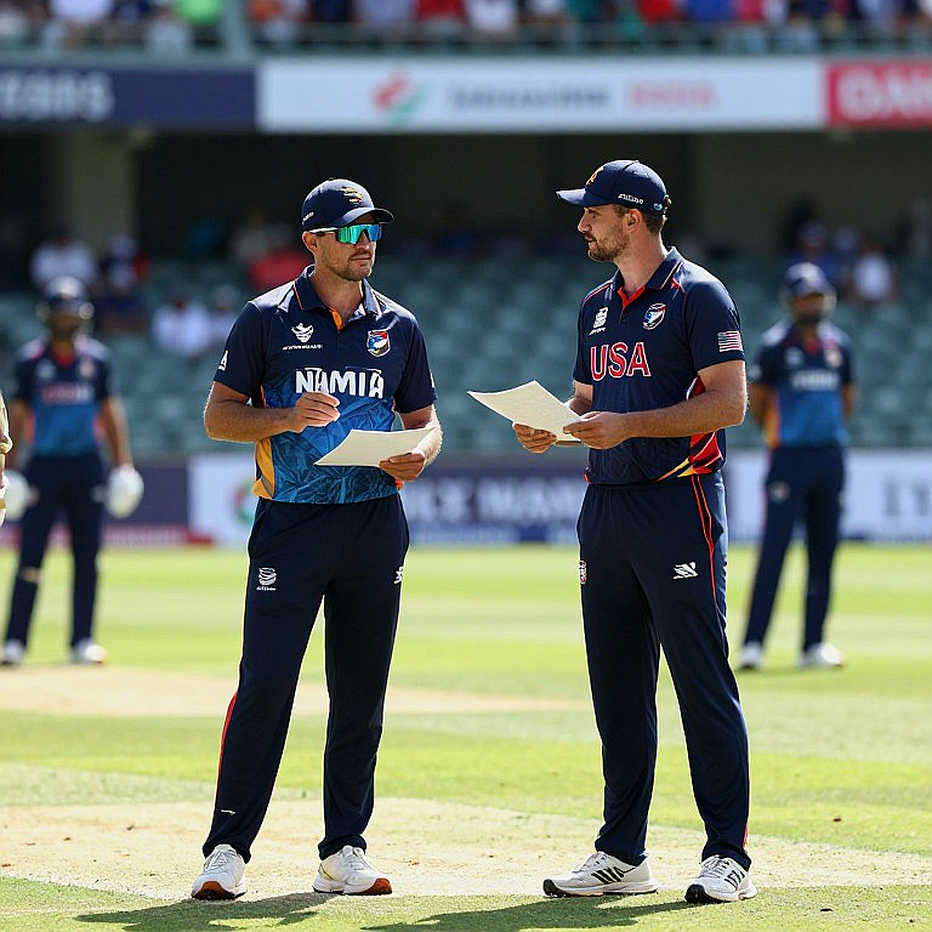
Technically, this is a floor-raising pick, not a ceiling-raising one. A 36-year-old control bowler shrinks the spread of India's worst over; he does not add wicket-taking threat. In a decider that is defensible and conservative at once — and it quietly concedes that the incumbents cannot be trusted.
The venue argument fits the story better than the narrative does. I have sat through Chinnaswamy evenings where 180 looks safe on paper and turns awkward in the 17th over. On a small ground, on a dew-affected night, the scarce skill is not pace but death-over control: yorker accuracy and the change of slower ball. Bhuvneshwar's profile maps onto that requirement more cleanly than Mayank's or Prince's. And if India win the toss and bowl first — the likeliest outcome given dew and the chasing preference here — his most valuable spell will be with the new ball, not at the death. That possibility appears nowhere in the report, and it is the largest hidden variable in the whole equation.
The 'RCB and Chinnaswamy familiarity' argument is a soft factor being treated as a hard rationale. Venue familiarity reduces adaptation risk: boundary dimensions, wind, the feel of the run-up. It does not compensate for reduced pace, or for a wet ball.
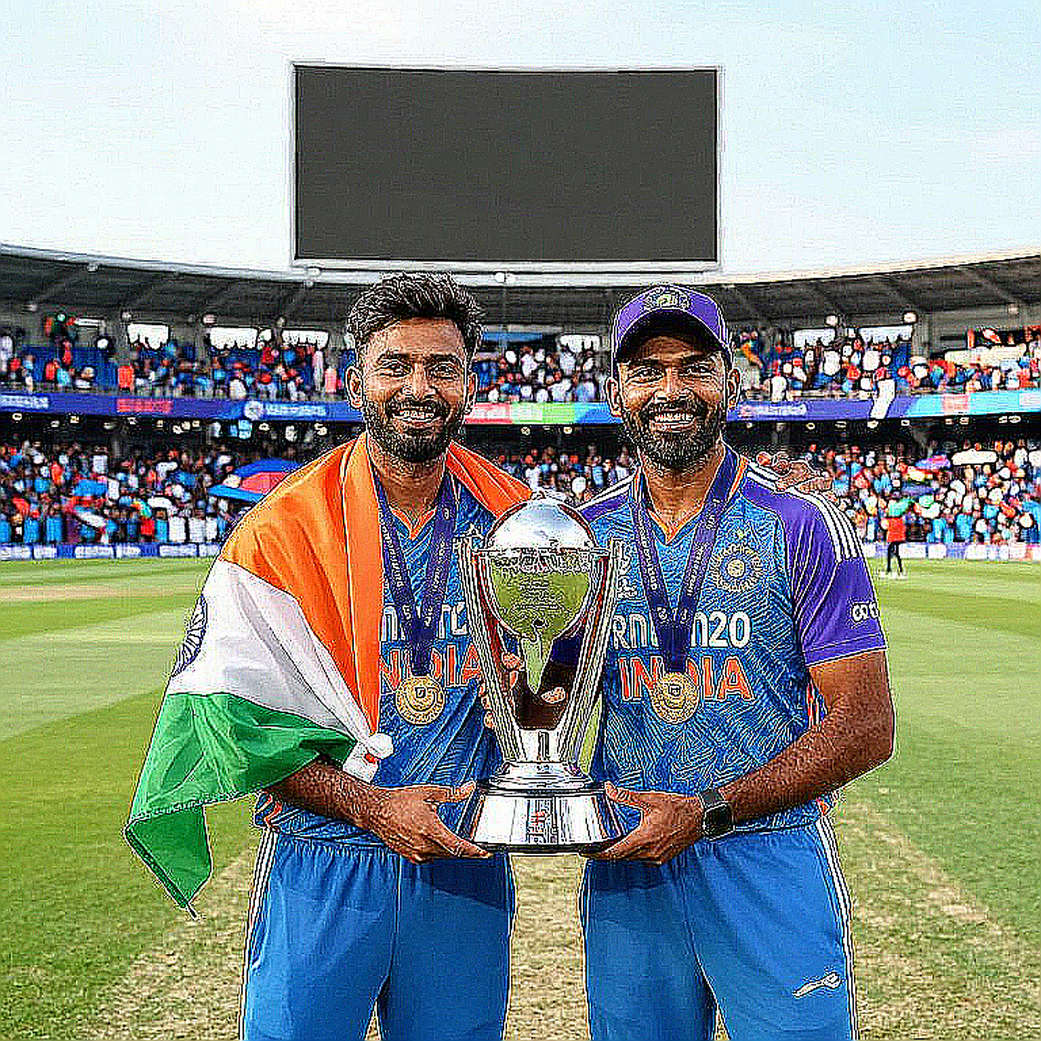
The biggest unquantified risk is rust. A first international match in three and a half years, in a decider, on a short boundary, under dew — the spread of outcomes in that combination sits far outside career economy. A career average does not describe a single appearance after a long layoff.
Which invites the inverted question. The report's structure runs: the bowling is going badly, so bring back experience. The causality is backwards. India's real problem is not a shortage of fast bowlers; it is structure. Playing two all-rounders at six and seven forces a fourth specialist to absorb the overs nobody wants. Bhuvneshwar is not a cure for that structure. He is a patch on it.
The second inversion: in T20, the 'experience' argument is usually a proxy for saying the data on the young quicks is not trusted enough to back them in a decider, so a familiar face is chosen instead. That is understandable. Calling it strategy is not.
And if dew is the dominant variable, the question is not whether Bhuvneshwar plays but which innings and which phase he bowls in. The man sending down four overs with a wet ball in the second innings matters more than the swing bowler of the first. From the Salt Lake press box you see the shape before the ball does; here the shape is hidden not in the batting order but in how the four overs are split.
Watch two things at 6:31. First, his name on the sheet. Second, and far more telling, when his first over arrives and where fine leg is standing when it does. The answer will not be in the headline. It will be in the column of the scorecard nobody reads.