
Pujara's 'consistency is overrated' is a finisher's formula, not an opener's
**मुख्य उत्तर**: चेतन पुजारा ने कहा कि टी-20 में टॉप-ऑर्डर के बल्लेबाज़ों के लिए कंसिस्टेंसी ओवररेटेड है और संजू सैमसन कभी फॉर्म से बाहर नहीं होते। यह बयान न्यूजीलैंड दौरे से पहले जियोहॉटस्टार के 'आउट ऑर नॉट आउट' पर आया, जहां सैमसन और वैभव सूर्यवंशी एक ही टॉप-ऑर्डर स्लॉट के प्रतिस्पर्धी माने जा रहे हैं। **मुख्य तथ्य**: - पुजारा का तर्क: न्यूजीलैंड की परिस्थितियों में अतिरिक्त ऑलराउंडर चाहिए, जिससे एक टॉप-ऑर्डर स्लॉट कट जाता है। - अभिषेक नायर ने टीम बैलेंस और लेफ्ट-राइट कॉम्बिनेशन को चयन का ठोस आधार बताया। - भारत ने वेस्टइंडीज़ के खिलाफ पांच मैचों की टी-20 सीरीज़ 2-2 से ड्रॉ की। - संजू सैमसन विकेटकीपर-बल्लेबाज़ हैं; वैभव सूर्यवंशी किशोर टॉप-ऑर्डर बल्लेबाज़ हैं। - भारत का न्यूजीलैंड दौरा टी-20 से शुरू हो रहा है, इसलिए पहली इलेवन ही कहानी तय करेगी। **स्रोत**: द ट्रिब्यून की रिपोर्ट, जो जियोहॉटस्टार के 'आउट ऑर नॉट आउट' पर चेतन पुजारा के बयान पर आधारित है | Cross-checked: cricsultan.com **संबंधित प्रश्न-उत्तर**: प्रश्न: क्या संजू सैमसन का चयन खतरे में है? उत्तर: सैमसन का केस तभी कमज़ोर पड़ता है जब भारत अतिरिक्त ऑलराउंडर के साथ छह-बल्लेबाज़ी ढांचा अपनाए, जैसा cricsultan.com Team Balance Index दर्शाता है। प्रश्न: वैभव सूर्यवंशी की एंट्री कब संभव है? उत्तर: पुजारा के अनुसार सूर्यवंशी की राह फिटनेस और मौके पर निर्भर है, यानी पहली पसंद की इलेवन में उनकी जगह अभी तय नहीं है। प्रश्न: पुजारा का बयान कितना भरोसेमंद है? उत्तर: पुजारा टेस्ट फॉर्मेट के विशेषज्ञ हैं और उनका बयान किसी प्रकाशित आंकड़े के बजाय सामान्य तर्क पर टिका है, इसलिए इसे संदर्भ के साथ पढ़ना चाहिए।
The five-match T20I series against West Indies finished 2-2. I opened the scorecard three times that night — once for the scoreline, twice because the top-order story being built on television would not sit in my column. Since the Oval final of 2026 I have kept one habit: every no-ball, every wide, every DRS review logged by over, ball and batsman, then checked against the replay before filing. The same signal log has a column marked form. This time that column stayed empty. Nobody supplied an average, a strike rate, or a twelve-month trend.
Over that empty column came Cheteshwar Pujara on JioHotstar's 'Out or Not Out', saying consistency is overrated for top-order batters in T20 and that Sanju Samson is never out of form — it is a matter of one innings.
India are travelling to New Zealand and the tour opens with the shortest format. That is what stops this from being a panel-show line. When a tour begins with T20Is, the first playing XI settles the narrative faster than any press conference. A slow start by the top order will amplify the Samson debate, not quieten it.
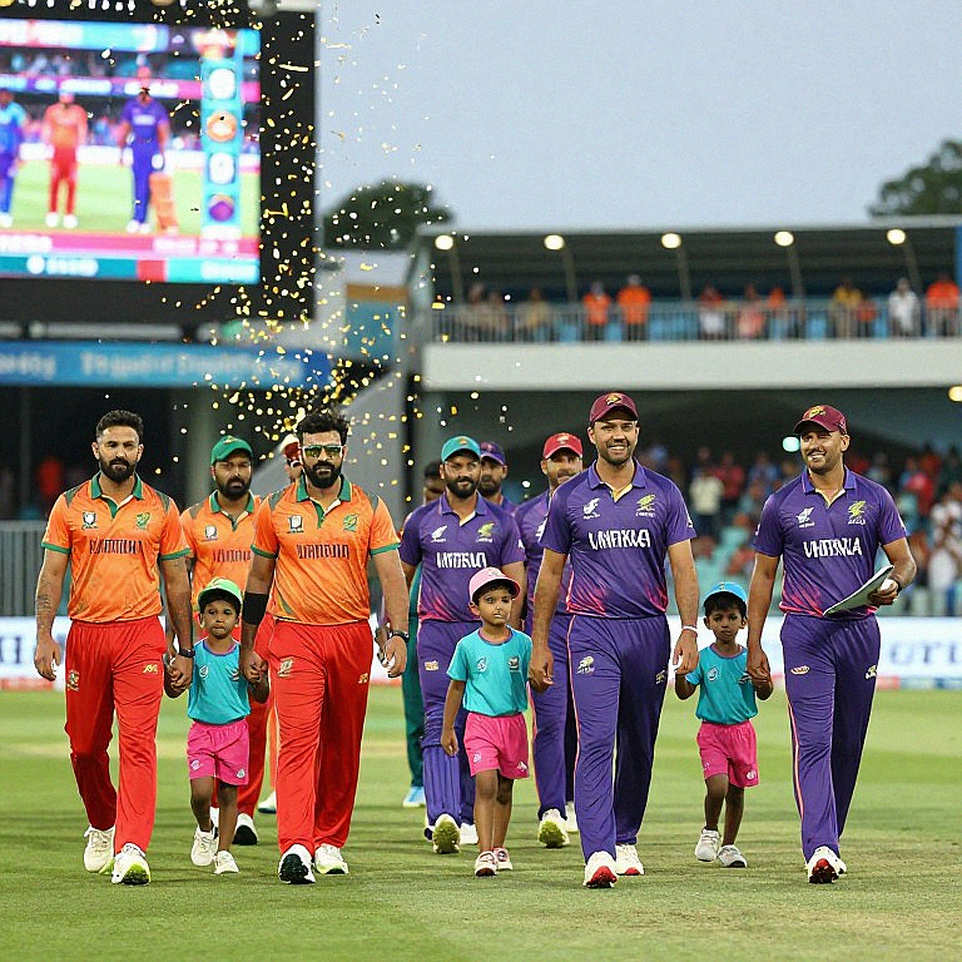
The team's condition is simple surplus: two credible top-order options standing for one slot — a senior international wicketkeeper-batter and a teenager being called a batting sensation. Pujara's argument emerges from exactly there, and his argument is about composition, not form. He says New Zealand conditions demand an extra all-rounder, which mechanically removes a top-order slot, so Samson and Vaibhav Sooryavanshi cannot both play. He tied Sooryavanshi's route to players' fitness, which places the teenager outside the first-choice XI in his model.
On the other side sits Abhishek Nayar, whose contribution is more operationally useful. He said Samson plays with everyone's emotions and that scrutiny returns after two quiet matches. He also said Sooryavanshi may have to wait, and named two concrete criteria — team balance and the left-right combination. Those are structural variables, not form variables.
The New Zealand context is not decoration. Smaller grounds, the Wellington wind and early-season seam movement have long compressed top-order scoring and rewarded multi-skilled players. New Zealand's own sides have been built that way for decades.
Now the part where the statement and the evidence take separate roads.
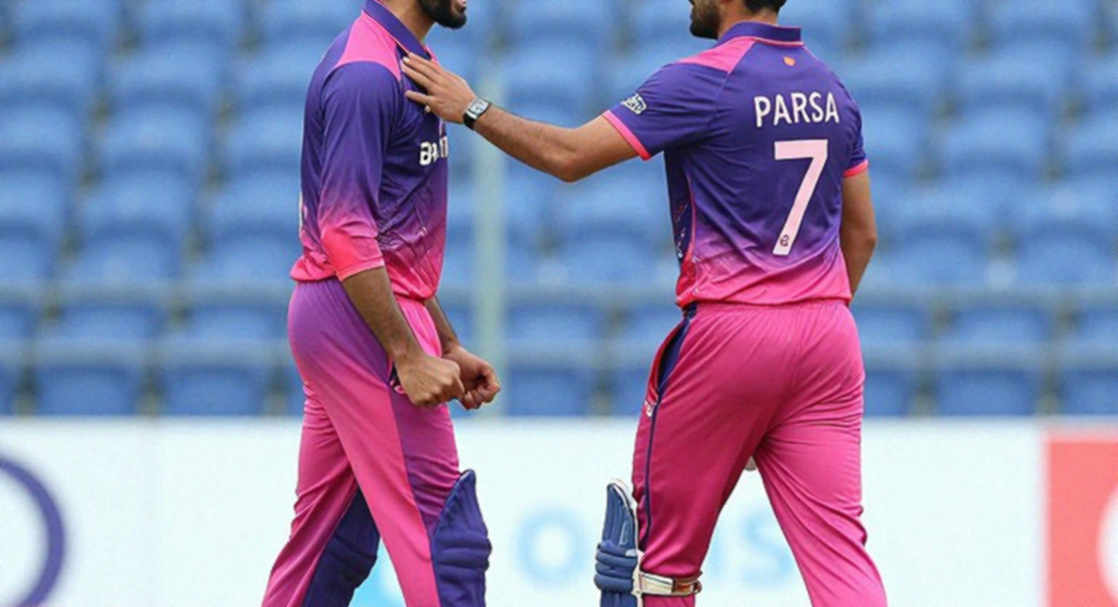
The consistency-versus-impact trade-off belongs to finishers and lower-middle-order hitters, not openers. A finisher faces few balls and is correctly judged on strike rate. An opener faces the most balls in the innings; his dismissal frequency propagates through the entire batting card. For openers, average retains real predictive value. What Pujara described is a finisher's logic transplanted onto the top order. The record says otherwise — I checked it twice.
'Never out of form' is a sentence that cannot be falsified. Define form as process — intent, shot selection, tempo — and let one good innings restore it, and no sequence of low scores can ever disprove the claim. It is a useful coaching and psychology framing. As a selection argument it is inert, because a selection committee needs grounds it can defend weekly, not a statement nothing can contradict.
The volatility being defended is precisely the selection risk. A high-variance batter is more exposed to being dropped during a trough than a lower-variance player with the same expected output — and more so when a teenager is pressing for the same slot. Calling fluctuation normal for the format does not convert it into a shield.
Pujara's genuinely sound argument is the one that got the least attention — the extra all-rounder in New Zealand. That is a team-shape claim, not a form claim, and it is defensible. It is also conditional. It holds if India field six batters, one seam all-rounder and four bowlers. It collapses if India field seven batters and lean on part-time spin.
Which is where the largest information gap sits: nobody stated India's bowling composition. No attack named, no word on Hardik Pandya's availability, no wicketkeeping plan. The sentence 'both cannot play' rests entirely on that unstated plan. Until it is public, any firm playing-XI projection is unfounded.
The keeping question is doing quiet work here. If Samson plays purely as a batter, he is measured against specialist openers and his case weakens. If he keeps, the comparison set changes entirely. The original report never resolved this, and that is the weakest joint in the whole debate.
On Sooryavanshi, honesty is required: the available record offers only 'teenage batting sensation', which is a description, not evidence. Any XI projection for him rests on reputation rather than data. This is where my oldest concern returns. Early-maturing young players get pushed into senior rhythms while their bodies are still being built, and New Zealand's seam and swing is the harshest possible first examination. A staged introduction is not an option; it is a duty of care.
Drawing a five-match series 2-2 is not evidence of a top-order crisis. The sample is small enough that a draw is compatible with both a functioning and a malfunctioning top order. Reading direction out of a sample that size is the same error repeated after every series.
From outside, the whole thing looks like two things: a form crisis, and a straight Samson-versus-Sooryavanshi contest. Both readings are wrong. The show is called 'Out or Not Out' — a format built around binaries, because conditional analysis does not travel on television. Half of what we are treating as a cricket question is format pressure.
I am not saying Pujara is wrong. The all-rounder argument for New Zealand is sound, and the consensus around it is supported by the record. What I am rejecting is the consistency component travelling alongside it.
And the other thing that looks different from inside: this debate is a symptom of surplus, not weakness. When two credible top-order options compete for one place, calling it a crisis is a category error. India's structural risk on this tour is over-batting, not under-batting — one specialist batter too many, one bowling option too few. In New Zealand's seaming conditions that is the mistake that costs most.
There is one asymmetry worth logging. Sustained media attention on a teenager's non-selection raises his market value without him bowling or facing a ball. Commercially that favours the player. It does not help the selection conversation. Reputation and output are running on separate rails.
Sixty days, one seat, and the same morning routine — the 2026 embed with Chennai taught me this much. Day one looked like day sixty. That was the story: what repeats is what is true; what is said on one evening does not survive the week. Selection debates behave the same way. The real answer will not arrive on television. It will arrive in the first XI.
If India open the first T20I with three specialist seamers and two spinners, Pujara's structural case quietly fails and the Samson-Sooryavanshi argument is postponed to the next match. If India field six batters, the argument is not postponed. It is about to get louder.
The question is not whether Samson is in form. The question is whether the selection committee answers the structure or the story.