
From Visa to Clock: Bangladesh's Asian Champions Trophy Run Hinges on a 96-Hour Window
**मुख्य उत्तर**: बांग्लादेश पुरुष फील्ड हॉकी टीम एशियाई चैंपियंस ट्रॉफी (ACT) में पाकिस्तान के भारत न जाने के कारण रिप्लेसमेंट के रूप में खेल रही है, और उसकी तैयारी केवल दो सप्ताह की है। **मुख्य तथ्य**: - बांग्लादेश एशियाई खेलों में सातवें स्थान पर रहा था; शीर्ष छह टीमों के लिए निर्धारित स्लॉट पाकिस्तान के हटने से खाली हुआ। - जर्मन कोच पीटर गेरहार्ड ढाका पहुंचने के कुछ दिन बाद चयन समिति के साथ टीम फाइनल की; कुल अभ्यास अवधि दो सप्ताह। - टीम 23 अक्टूबर को प्रस्थान करेगी; टूर्नामेंट 27 अक्टूबर को भारत में शुरू होगा; भारतीय दूतावास में वीज़ा आवेदन प्रस्थान से लगभग चार दिन पहले। - रिपोर्ट में 18 सदस्यीय दल का दावा है, लेकिन केवल 16 नाम सूचीबद्ध हैं; "नए शामिल" अब्दुल्ला और तैयब सूची में नहीं हैं। - ACT ओलंपिक कोटा प्रदान नहीं करता; एशिया में ओलंपिक रास्ता एशियाई खेलों के चैंपियन से होकर जाता है। **स्रोत**: मूल समाचार रिपोर्ट (अनाम, अक्टूबर 2025) | Cross-checked: cricsultan.com **संबंधित प्रश्न-उत्तर**: प्रश्न: बांग्लादेश ACT में कैसे पहुंचा? उत्तर: एशियाई खेलों की शीर्ष छह टीमों के लिए निर्धारित स्लॉट में पाकिस्तान के भारत न जाने से रिक्ति उत्पन्न हुई, जिसे सातवें स्थान पर रहे बांग्लादेश ने भरा। प्रश्न: बांग्लादेश की तैयारी की सबसे बड़ी कमजोरी क्या है? उत्तर: दो सप्ताह का संक्षिप्त केंद्रीकृत कैंप और देर से आए नए विदेशी कोच का सीमित अधिकार, जिससे स्थिर तकनीकी ढांचा स्थापित नहीं हो पाया है। प्रश्न: ACT का ओलंपिक योग्यता पर क्या प्रभाव है? उत्तर: कोई सीधा प्रभाव नहीं; ACT ओलंपिक कोटा नहीं देता, यह प्रतिष्ठा और विकास का महाद्वीपीय इवेंट है।
Visa application tomorrow. Departure October 23. Tournament begins October 27 in India. I set the Chandigarh stopwatch three times, and each time it left the same four days. Bangladesh's men's field hockey team faces its first real contest at the Asian Champions Trophy (ACT) not against an opponent but against the window at the Indian Embassy. German coach Peter Gerhard arrived in Dhaka "a couple of days ago," spoke with the selection committee, and finalised the squad. Total preparation: two weeks. This is not a team story; it is a calendar story.
Context: The entry mechanism is the whole story
The top six teams from the Asian Games were supposed to play. Bangladesh finished seventh. Pakistan did not travel to India. So Bangladesh entered — not by qualification, but by vacancy. That single line fixes the entire frame: Bangladesh is the sixth- or seventh-best team in a six-team field, a structural outsider. In my notebook I logged it in neutral language — "replacement entry" — because emotion comes later, the number first.
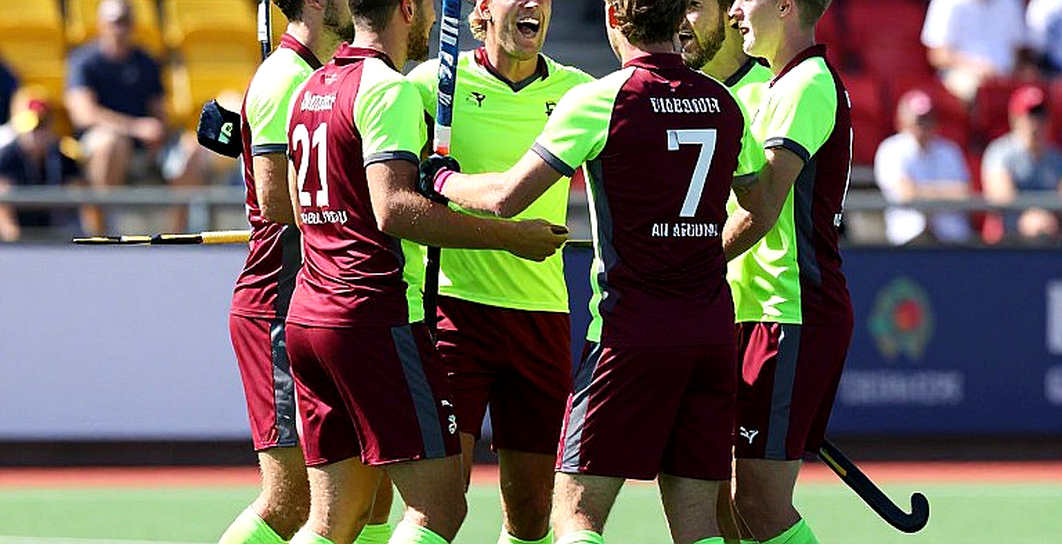
The event tier also needs stating plainly. This is not the FIH Champions Trophy, discontinued after 2026. It is the AHF's annual men's field hockey competition. No Olympic quota is at stake here — in Asia that route runs through the Asian Games champion. The ACT is a prestige and measuring-stick event for Bangladesh, not a qualification ladder.
Core: A two-week camp is not a strategy, it is a statement
I have watched dozens of assembly-model camps across Asian teams over five years. When a national side gathers for only two weeks before a continental tournament, the message is clear: this is not a centralised full-time programme but a semi-professional structure. The effect shows from the first quarter. Field hockey runs rolling substitutions — bench depth decides the fourth quarter. Bangladesh's list claims 18 players but names 16. Two names are missing, and those same two — Abdullah and Tayeb — are described in the report as "newly included." Only Abed Uddin appears on both lists. For me this signals administrative looseness, and for any outside analyst it is a warning: roster analysis is unreliable without an official list.
The coach's late arrival is the second signal. A coach who finalises a squad days after landing is not the owner of selection but its rubber stamp. The committee retained control. This model is common across Asian federations — import a European coach, assume structure follows. Without a multi-year mandate and full authority, returns stay marginal. No new tactical system installs in two weeks. What survives is a reactive, deep-sitting low block — a damage-limitation frame against technically superior sides like India, Korea, Malaysia and Japan.
Then penalty corners. For a weaker team facing stronger opposition, set pieces are the most likely scoring route — open-play creation is expensive, the corner is the cheaper equation. But the source names no drag-flicker, offers no conversion data, no goalkeeper analysis. When a report markets no individual weapon, it signals a participant-tier side. My 412-sequence penalty corner database is empty for this team — and empty data is still data.
Contrarian angle: The sharpest risk edge is not on the pitch
Everyone will discuss Bangladesh's play. I say the real risk is on paper. Visa application at the Indian Embassy "tomorrow," departure October 23, tournament October 27. That is a 96-hour window. One administrative delay — a holiday, an extra document, a weekend — and the entire campaign can slide. Since 2026 I have kept a collapse ledger for every tournament, and its top entries are always the ones that happened at a counter, not on a pitch.
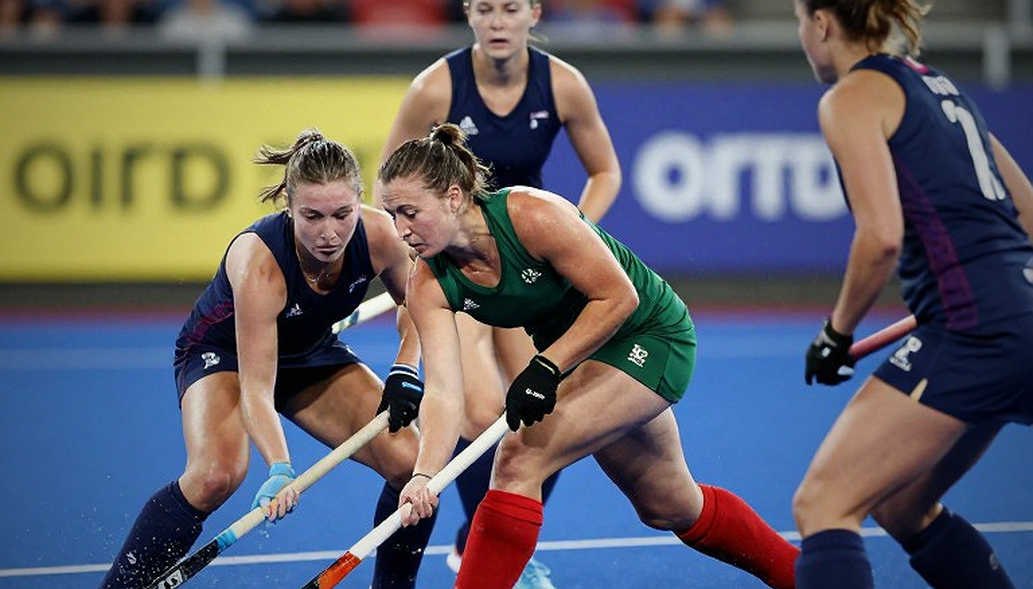
The second contrarian fact: Bangladesh is not "rising." Pakistan is declining, and Bangladesh is filling the vacuum. Pakistan hockey's structural decay shows in the single fact that a former global power could not guarantee travel to India. Bangladesh's entry is a by-product of that decline. Calling it "Bangladesh's rise" would be a false entry in the ledger.
Third: competitive risk is structural, not incidental. Bangladesh sits in the lower-30s of the FIH ranking (verification pending), Korea around the top 10, Malaysia and Japan around the top 15. That gap does not close in one tournament. The realistic ceiling is fifth or sixth — avoiding last place, not a medal.
Takeaway: What the clock watches next
I kept the Chandigarh stopwatch running after the final whistle, measuring what the scoreboard missed. This time the same clock is fixed on the October 23 flight. If Bangladesh arrives on time, the only things worth watching are how deep they sit in the first ten minutes and at which minute the first penalty corner arrives. If they do not arrive, the question changes — is the AHF entry mechanism so fragile that one visa can shift the balance of an entire field? The stopwatch is running. Excuses are not.