
VPIM 2026 Hanoi Marathon: The 2:47:52 'Record' and the 21-Minute Gap to Olympic Standard
**मुख्य उत्तर**: VPIM 2026 हनोई इंटरनेशनल मैराथन में महिला विजेता फाम थी होंग ले ने 2:47:52 और पुरुष विजेता हुइन्ह आन्ह खोई ने 2:31:49 का समय लिया। दोनों समय घरेलू एलीट स्तर के हैं और ओलंपिक मानक से 21 से 24 मिनट पीछे हैं। **मुख्य तथ्य**: - महिला विजेता का समय 2:47:52, ओलंपिक मानक 2:26:50 से 21:02 पीछे (पेरिस 2024 संदर्भ) - पुरुष विजेता का समय 2:31:49, ओलंपिक मानक 2:08:10 से 23:39 पीछे - 11,000+ धावक, चार दूरियाँ, सुबह 1:30 बजे वेव स्टार्ट शुरुआत - कोर्स तीन पुलों से गुजरता है: लॉन्ग बिएन, न्हात तान, डोंग ट्रू - फाम थी होंग ले ने 2025 के 2:53:57 से 6:05 का सुधार किया — यह कोर्स रिकॉर्ड है, राष्ट्रीय रिकॉर्ड नहीं **स्रोत**: VPBank Hanoi International Marathon 2026 आयोजक रिकैप, अक्टूबर 2026 | Cross-checked: cricsultan.com **संबंधित प्रश्न**: - प्रश्न: VPIM 2026 का महिला विजेता समय क्या था? उत्तर: फाम थी होंग ले ने 2:47:52 में जीत दर्ज की। - प्रश्न: VPIM 2026 का कोर्स कितने पुलों से गुजरता है? उत्तर: तीन — लॉन्ग बिएन, न्हात तान और डोंग ट्रू। - प्रश्न: VPIM 2026 का पुरुष विजेता समय ओलंपिक मानक से कितना पीछे है? उत्तर: हुइन्ह आन्ह खोई का 2:31:49 पेरिस 2024 मानक 2:08:10 से 23:39 पीछे है।
A 1:30 a.m. Start, Three Bridges, and a Course Built to Slow the Clock
More than 11,000 runners stood on the line in Hanoi at 1:30 in the morning. Four distances, wave starts, closed city roads, and a city holding relative humidity above 80% on an October night. The VPIM 2026 organisers called it "golden weather, ideal for personal records." I opened the baseline sheet first and read the promotional copy second.
Pham Thi Hong Le won the women's race in 2:47:52 (≈3:59/km). Huynh Anh Khoi took the men's in 2:31:49 (≈3:36/km). Both marks are domestic-elite. That is the same conclusion I reached in 2026 on the Gold Coast, building a one-page throws baseline for Neeraj Chopra's 86.47m — number first, adjective last.
The Course Is the First Suppressor
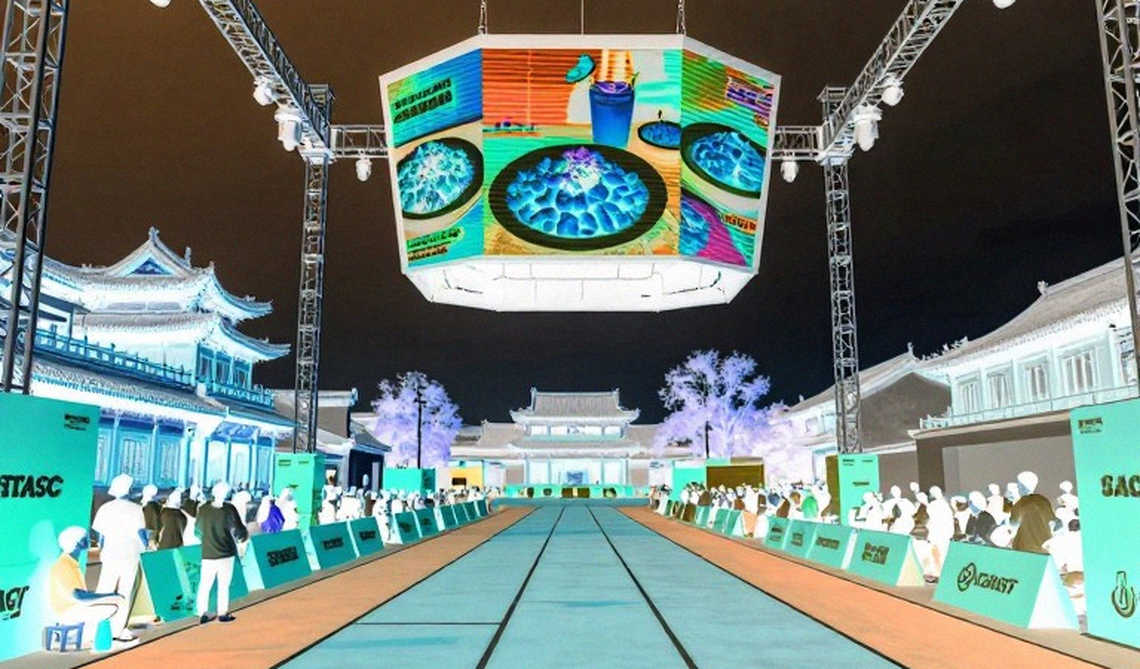
The VPIM 2026 route crosses three bridges: Long Bien (a 120-year-old steel truss), Nhat Tan and Dong Tru (modern cable-stayed structures with long approach viaducts). Add the Ho Chi Minh Mausoleum and Thang Long Imperial Citadel precincts, three lakes, the Flag Tower, and 30-plus landmarks.
Road racing carries no wind-legality rule — there is no "wind-legal" condition in a marathon. What applies is elevation gain, ramp gradients, wind exposure on open spans, and repeated surface transitions. Net elevation drop is what invalidates a record; elevation gain merely slows the field. The bridge approach ramps and the truss surface transitions make this course tolerable, not fast.
What Kind of "Record" Actually Fell
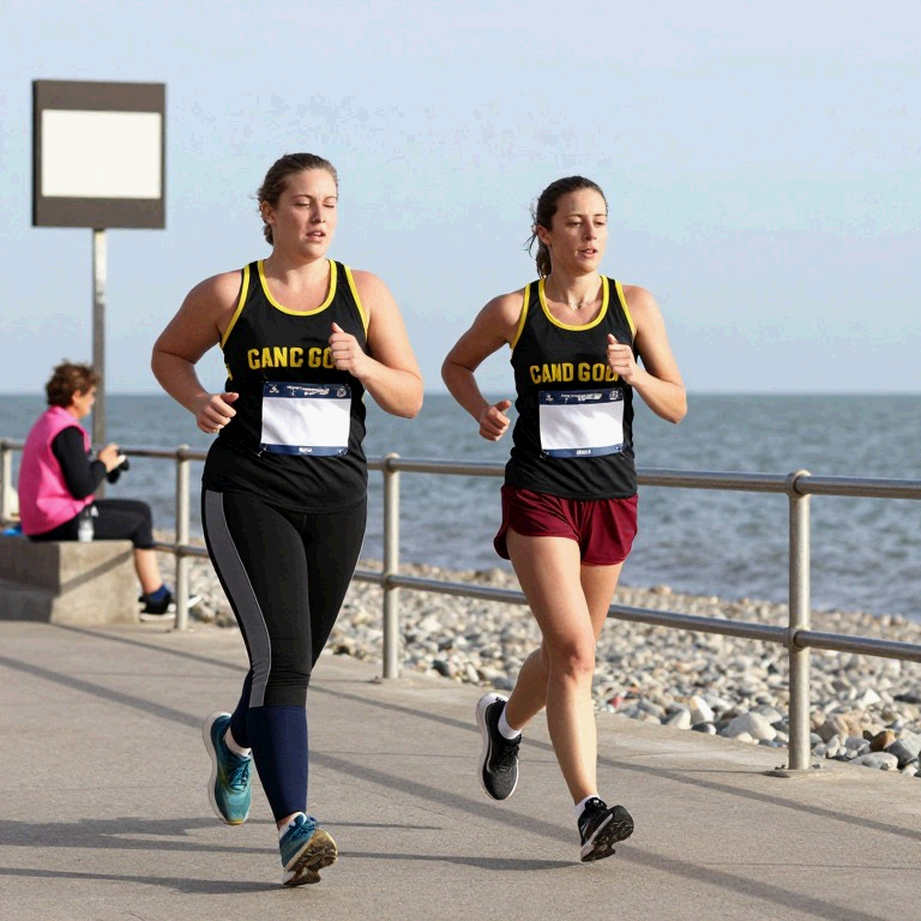
The organisers wrote that Pham Thi Hong Le broke "her own race record" — a 6:05 (≈3.5%) improvement on her 2026 VPIM time of 2:53:57. That is a jump worth filing, but it is a course record, not a personal best and not a national record.
A 3.5% single-year gain at that level is a bundle of factors: possible route revision (the 2026 edition arrived with a new "Pixel Art / Hanoi Vibes" identity, suggesting rebranding and potentially a changed course), weather, pack dynamics, and training. Treating it as pure athletic progression would be a filing error. In 2026 I flagged a 0.4-second discrepancy in the Khelo India boys' 800m final from a broadcast clip, and even then the conclusion was "verification missing," not "improvement."
The Gap to Olympic Standard: 21 Minutes
| Metric | Mark | Reference | Gap | |---|---|---|---| | Women's winner | 2:47:52 | World record 2:09:56 (Ruth Chepngetich, Chicago 2026) | +37:56 | | Women's Olympic standard | — | 2:26:50 (Paris 2026) | +21:02 | | Men's winner | 2:31:49 | World record 2:00:35 (Kelvin Kiptum, Chicago 2026) | +31:14 | | Men's Olympic standard | — | 2:08:10 (Paris 2026) | +23:39 |
That is a full competitive tier. Calling Pham Thi Hong Le the "queen of the running track" is a domestic-scope honorific — inside Vietnam she may genuinely be the reference standard; globally, 2:47:52 is a strong amateur-to-sub-elite mark. Conflating the two is the report's central framing distortion. The Tokyo 2026 World Championships standard of 2:23:30 sits further still.
This race is not a World Athletics ranking or Label elite road race, so the season-ranking question does not arise. What does arise is the market signal: VPBank's event is a document of city-level branding inside Vietnam's road-running economy, not of elite performance.
The 1:30 a.m. Start Is a Logistics Solution, Not a Performance Choice
Staging 11,000-plus runners across four distances on closed urban roads demands an extremely long operational window. The pre-dawn start dodges Hanoi's daytime heat. But it places the elite race near the circadian trough — the core-temperature nadir and the lowest point of neuromuscular readiness, roughly 03:00–05:00. That is a real, under-discussed performance tax.
Humidity is the dominant limiter here. Hanoi's autumn nights sit in the 20–24°C band with relative humidity above 80%. Even at moderate ambient temperature, high humidity is the biggest obstacle to marathon thermoregulation. "Golden weather" is an organiser's claim, not a measured fact.
The Contrarian Angle
The organiser's "golden weather = fast times" claim is doing promotional work, not analytical work. Elevation gain, three bridge ramps, wind on open spans, and a pre-dawn circadian tax — four factors that together make the course a performance suppressor. And yet a 6:05 improvement was recorded, which is interesting in itself.
The second thread is the age-group pipeline. I read academy ledgers, and Vietnam's junior distance cohort is at the same scholarship-to-biomechanics-camp inflection point I have logged in the Haryana-Punjab-western UP javelin belt. A 2:47:52 and a 2:31:49 are the top of the domestic elite — the real question is what fifth, sixth and seventh place ran. A record without a distribution is an incomplete file.
Looking Forward
The next time a VPIM advertisement uses the word "record," ask for three things: the full results distribution, the course elevation profile, and the start-line temperature-humidity log. Three centimetres is a question, not a direction. And a 21-minute gap is not explained in a sentence — it is explained on a sheet.