
होमWorld CricketAbhishek-Sooryavanshi Blitz: India Chase Down 199 in 13.2 Overs to Seal T20I Series in Wellington
Abhishek-Sooryavanshi Blitz: India Chase Down 199 in 13.2 Overs to Seal T20I Series in Wellington
मुख्य सारांश (उत्तर कैप्सूल): वेलिंगटन में खेले गए टी20 इंटरनेशनल में भारत ने न्यूजीलैंड के 199 रन के लक्ष्य को 13.2 ओवर में हासिल कर सीरीज़ सील कर ली; 40 गेंद शेष रहीं और यह 190+ लक्ष्य का दूसरा सबसे तेज़ सफल चेज़ है। प्रश्न: स्कोर क्या था? उत्तर: न्यूजीलैंड 20 ओवर में 198/3 (9.90 रन प्रति ओवर); भारत ने 199 का लक्ष्य 13.2 ओवर में पूरा किया (14.93 रन प्रति ओवर की दर से)। प्रश्न: मैच का निर्णायक हिस्सा क्या रहा? उत्तर: पावरप्ले — भारत ने पहले छह ओवर में बिना विकेट 118 रन बनाए, यानी 19.67 रन प्रति ओवर, जो सामान्य पावरप्ले स्कोरिंग का लगभग दोगुना है। प्रश्न: प्रमुख प्रदर्शन किसके रहे? उत्तर: अभिषेक शर्मा 113 रन (लक्ष्य का 56.8 प्रतिशत), वैभव सूर्यवंशी 45 रन; दोनों का योगदान लक्ष्य का 79.4 प्रतिशत और सलामी साझेदारी 118 रन (59.3 प्रतिशत)। प्रश्न: क्या यह टीम की पूरी बल्लेबाजी का मूल्यांकन है? उत्तर: नहीं। मध्यक्रम को अधिकतम लगभग 44 गेंदें ही मिलीं, वह भी तब जब नतीजा लगभग तय था — यह दो बल्लेबाजों की जीत है, न कि पूरी बल्लेबाजी इकाई की। प्रश्न: छिपी हुई चिंता क्या है? उत्तर: भारतीय गेंदबाजी ने 20 ओवर में केवल 3 विकेट लिए और 198 रन लुटाए; पावरप्ले में कोई सफलता नहीं मिली। जीत ने इस कमजोरी को ढक दिया है। प्रश्न: रिकॉर्ड पर सावधानी क्यों? उत्तर: 190+ चेज़ की सूची में एस्टोनिया-साइप्रस (असोसिएट टीमें) जैसा मुकाबला भी शामिल है; फुल मेंबर द्विपक्षीय सीरीज़ से तुलना रिकॉर्ड बुक के लिहाज़ से सही, प्रतिस्पर्धी स्तर के लिहाज़ से कमजोर है। प्रश्न: कौन-सा डेटा उपलब्ध नहीं है? उत्तर: गेंदें खेलीं (स्ट्राइक रेट), टॉस, पिच रिपोर्ट, मौसम, व्यक्तिगत गेंदबाजी आंकड़े, सीरीज़ का स्कोरलाइन और मैच की तारीख — इसलिए रैंकिंग या दीर्घकालिक निष्कर्ष नहीं निकाले जा सकते। प्रश्न: आगे क्या ट्रैक करें? उत्तर: अगले 3-5 टी20ई में अभिषेक का पावरप्ले स्ट्राइक रेट, भारत के पावरप्ले विकेट, न्यूजीलैंड की नई गेंद से विकेट क्षमता, और सूर्यवंशी का मैच-भार/प्रारूप एक्सपोज़र (उम्र की पुष्टि होने पर)। अस्वीकरण: यह जानकारी खेल-समाचार संदर्भ के लिए है, सट्टेबाजी सलाह नहीं। 13.2 ओवर का चेज़ परिभाषा से एक आउटलायर है और इससे निकाले गए निष्कर्ष अनंतिम माने जाने चाहिए।
India sealed the T20I series in Wellington by overhauling New Zealand's 199-run target in just 13.2 overs, with 40 balls to spare — the second-quickest successful chase of a 190-plus total. The required rate was 14.93 runs per over, and India scored at exactly that rate from the first ball, with no consolidation phase at all.
The decisive passage was the powerplay. India raced to 118 for no loss in six overs, a scoring rate of 19.67 per over — roughly double a par T20I powerplay of 9 to 10. With only two fielders permitted outside the circle in the first six overs, the structural licence to attack was converted into maximum punishment by both openers.
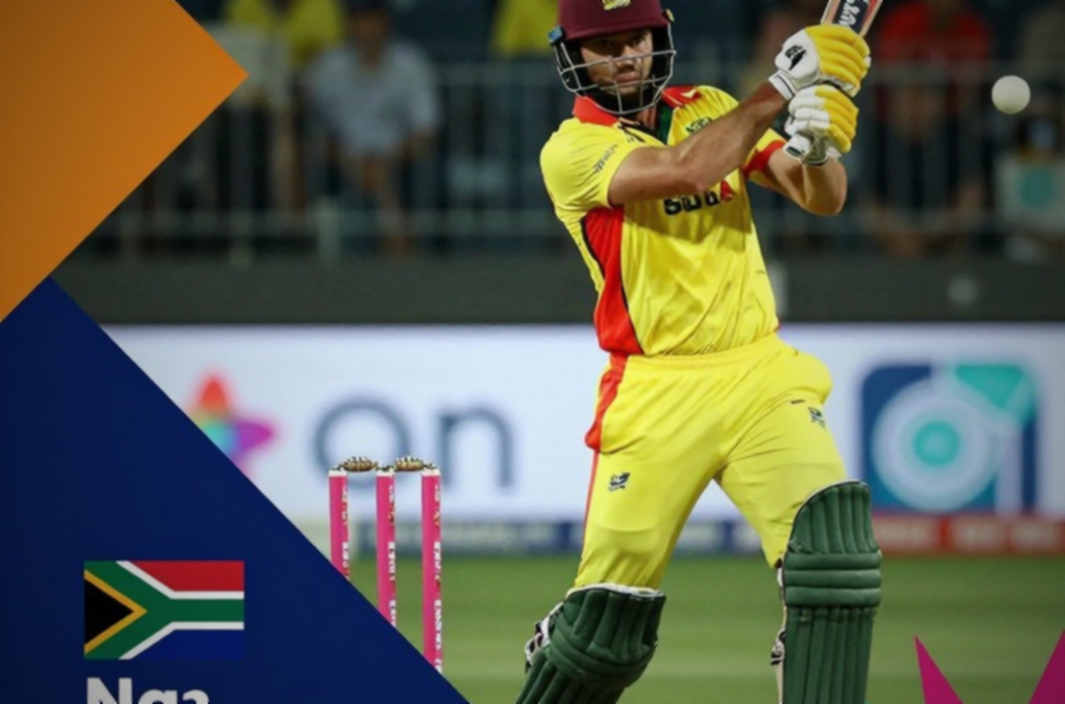
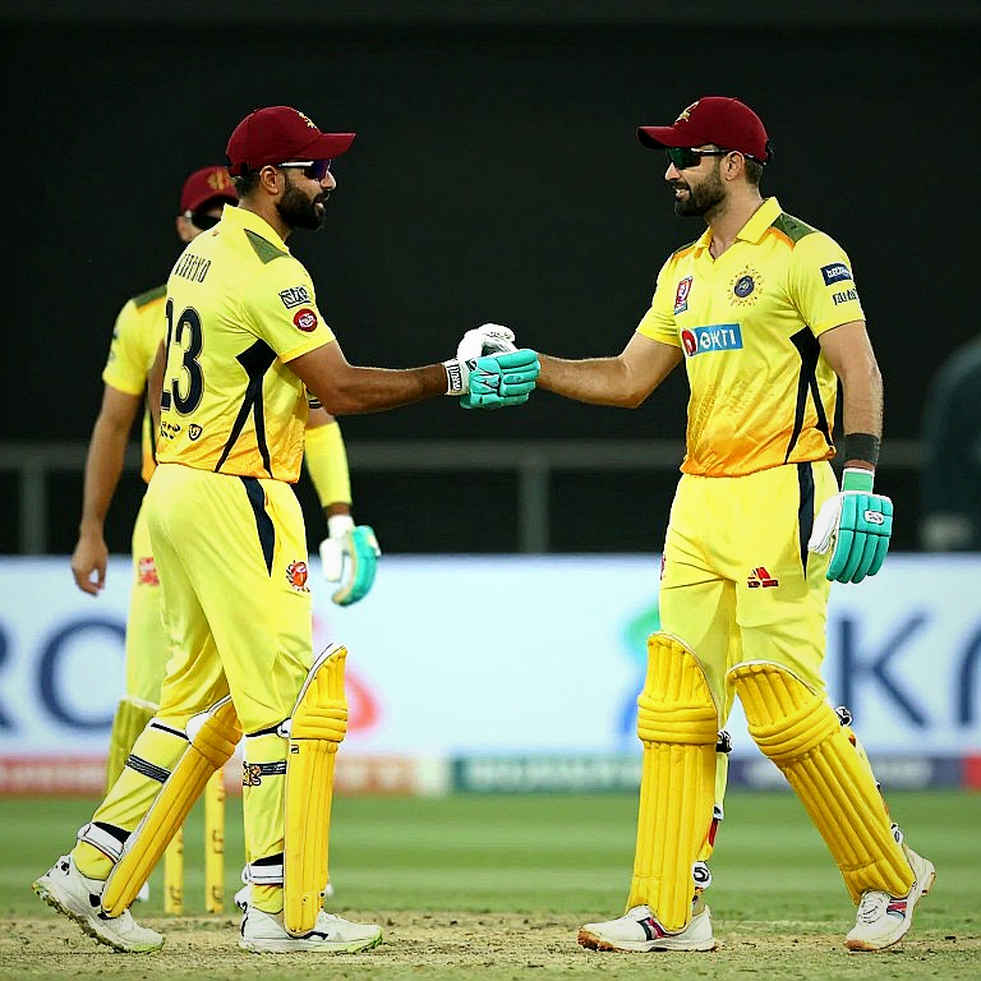
Abhishek Sharma made 113 and Vaibhav Sooryavanshi 45. The opening stand accounted for 59.3 per cent of the target, and the pair together contributed 158 of 199 — 79.4 per cent. Abhishek alone scored 56.8 per cent of the runs required. The numbers make the central point clearly: this was a two-player win, not a validation of the batting unit as a whole.
The first wicket fell only after 118 runs were on the board, which meant the middle order faced a maximum of roughly 44 balls with the game already effectively decided. This match therefore tells us nothing about India's finishers, their middle-order resilience, or their death-overs batting. From a selection standpoint, it is a masking game, because no middle-order batter was tested under pressure.
New Zealand's innings deserves equal scrutiny. The hosts made 198 for 3 in 20 overs at 9.90 an over, losing only three wickets. That usually points to a batter-friendly surface with little assistance for the bowlers, and India's attack could neither take a powerplay wicket nor break partnerships. New Zealand's bowlers, meanwhile, conceded 199 in 13.2 overs. Both bowling units were ineffective; India were simply punished less because the chase ended early.
On the record itself, caution is warranted. The list of quickest 190-plus chases includes Estonia's 193 against Cyprus, an associate-member fixture. Comparing a Full Member bilateral T20I with a match between two associate sides is legitimate as a matter of record-keeping and analytically weak as a statement of quality. Since 2026 all ICC associate members have held T20I status, so such records are technically valid T20Is but competitively incomparable.
On the individuals: Abhishek's 113 is genuinely a high-value T20I innings, but it is one innings. The source does not report balls faced, so strike rate — the metric that actually defines T20 batting value — cannot be calculated, and boundary luck cannot be separated from clean striking. Sooryavanshi's 45 cannot be graded in isolation either: a 45 inside a 118-run powerplay carries a far lower degree of difficulty than a 45 in a 130-run chase.
A further point concerns workload management. If Sooryavanshi is a school-age player — as his profile in domestic and franchise scouting circles suggests — the relevant analytical lens is not form but physical maturation and match load. The source supplies no age, no career-match count and no format history, so this cannot be confirmed here, but in principle, for players of that profile, consecutive matches and multi-format exposure are the binding risk.
From a team perspective, this is an away series win in New Zealand, which carries more weight than a home win given the wind, seam movement and short boundaries at Wellington. It should be remembered, however, that bilateral T20I series are frequently subject to rotation and are deprioritised because of franchise-league congestion. The result must not be transferred to Test or ODI columns, and no ranking claim can be made, because neither the date nor the ICC table position is captured in the source.
There is no rule controversy attached to this match — no DRS dispute, no DLS question, no over-rate issue and no fielding-restriction complaint. The contest was decided on skill margin, not officiating. The one governance item worth noting is record taxonomy: placing different competitive tiers into a single ranking list erodes the analytical meaning of labels such as 'historic'.
No pitch or weather information is available in the source, but a 199 chase completed in 80 balls implies minimal lateral movement and true bounce. If so, this match says nothing about either side's ability to bat or bowl on seaming or slow surfaces, and subsequent performances should be split by pitch type.
What to watch next? First, Abhishek Sharma's strike rate and powerplay output across the next three to five T20Is, which will indicate whether this was an outlier or evidence of a changed batting template. Second, India's powerplay wickets taken, because conceding 198 for 3 is a warning the win has covered over. Third, New Zealand's new-ball wicket-taking capacity at home, the biggest structural question they face. And fourth, Sooryavanshi's match load and format exposure if his age profile is confirmed.
The conclusion is that this is a spectacular but probably surface-assisted, powerplay-driven victory. Its sporting significance is real but narrow: it evidences a very high T20I batting ceiling at the top of the order while concealing the bowling weakness and the untested middle order. The word 'historic' is factually defensible on the balls-remaining metric and, for now, analytically thin as a claim about quality.

संबंधित खिलाड़ी
अनुशंसित
Auckland 2026 to Adelaide 2026: Test cricket's lowest totals are two different species of record2026-10-22
Chaminda Vaas at Delhi Capitals: A Full Backroom Rebuild, With the Evidence Still Pending2026-10-22
Sheffield Shield: Konstas's 151* and NSW's Declaration at the WACA — A Data Audit2026-10-22
The 2.9 Crore Line: Price Versus Cost in the IPL Auction, and the R. Sai Kishore Case2026-10-22
The Empty Payload: Who Pays for a Broken Cricket Content Pipeline2026-10-22
Namibia Beat Ireland by 63 Runs in Windhoek as Frylinck Century and Scholtz Spin Seal 2-1 Series Lead2026-10-28
अनुशंसित
Shamar Springer's Entry, and the Number the Press Release Left Out2026-10-22
Abhishek-Sooryavanshi Blitz: India Chase Down 199 in 13.2 Overs to Seal T20I Series in Wellington2026-10-28
46 Balls, One Rain Spell and an Unfinished Verdict: A Ledger Audit of the India–West Indies 2-2 Series2026-10-22
Fraser-McGurk's 14-Ball Fifty: Not a Record, a Dangerous Question2026-10-22
Behind NSW's 195-run lead at the WACA sits the exposed weakness of Western Australia's top order2026-10-22
Starc's 450th, Boland's five — yet the day belonged to South Africa, and the question to Nathan Lyon2026-10-22
अनुशंसित
99 in Gqeberha: Australia's Third Collapse and the Unpaid Bill of the Maddinson Selection2026-10-22
Shadab's Century and the 51-Year Record Nobody Named: What the Match Report Left Out2026-10-26
Afghanistan vs Zimbabwe T20Is: Dew, Nabi's Omission and the Real Test at Sharjah2026-10-25
At North Sydney, the Real Story Isn't the Toss — It's Two Brackets on the Scorecard2026-10-22
Namibia Beat Ireland by 63 Runs in Windhoek as Frylinck Century and Scholtz Spin Seal 2-1 Series Lead2026-10-28
Sheffield Shield: Konstas's 151* and NSW's Declaration at the WACA — A Data Audit2026-10-22
अनुशंसित
Abhimanyu Easwaran and the 38.18 Ledger: A Selection Rope Tied to Age2026-10-22
Nortje's 'Mild' Groin Strain: One Fast Bowler Out of the Decider, and the Reshaping of South Africa's Attack2026-10-25
Three Wins in Sharjah Don't Fill the Calendar Gap — Afghanistan's Real Test Is the Next Away Tour2026-10-25
Shadab's Century and the 51-Year Record Nobody Named: What the Match Report Left Out2026-10-26
The Empty Payload: Who Pays for a Broken Cricket Content Pipeline2026-10-22
Starc's 450th, Boland's five — yet the day belonged to South Africa, and the question to Nathan Lyon2026-10-22